When Should You See an Orthopaedic Specialist? 7 Signs to Know
Knowing when to see an orthopaedic specialist can help you decide what to do when joint pain, a sports injury or restricted movement is not improving. If symptoms keep returning or interfere with everyday activities, a consultation at an orthopaedic clinic in Kuala Lumpur can help identify the cause and guide the next step.
When should you seek an assessment? Persistent pain, repeated swelling, reduced movement, joint instability, an injury that is not recovering, weakness or difficulty with daily activities are reasons to get medical advice. A GP can assess many problems first and advise whether specialist care is appropriate. 1, 2
Do not wait for a routine appointment if an injury causes severe pain, a visibly deformed joint, inability to bear weight or new numbness. A hot, swollen joint with fever or feeling unwell also needs urgent medical attention. 3, 4
What Does an Orthopaedic Specialist Treat?
An orthopaedic specialist assesses conditions affecting bones, joints, ligaments, tendons and muscles. These may involve an injury, joint degeneration or problems with movement and stability.
Seeing a specialist does not automatically mean you need surgery. Treatment may involve rehabilitation, support, medication or a procedure, depending on the diagnosis and your needs. 1
7 Signs You May Need an Orthopaedic Assessment
The following signs are reasons to seek medical review. They do not identify a diagnosis on their own, and some problems can be managed by a GP or physiotherapist.
1. Joint Pain Keeps Returning or Does Not Settle
Pain that repeatedly returns deserves attention, particularly if reducing the activity that triggers it has not helped.
Make a note of where the pain occurs, how long it lasts and whether it follows exercise or an injury. This information can help the doctor understand the pattern. Worsening symptoms should be assessed sooner. 3
2. Pain Affects Walking, Work or Sleep
A useful question is whether the problem has changed what you can comfortably do. Difficulty climbing stairs, getting dressed or sleeping because of pain is a reason to seek advice.
Explain which tasks are affected rather than describing only a pain score. For example, shoulder pain may disturb sleep or make reaching difficult. 3, 5
3. Swelling Is Significant, Repeated or Getting Worse
Swelling can follow an injury, but substantial or increasing swelling needs medical review. Bruising and difficulty using the injured area are also important details to report.
A hot, swollen joint, especially with fever or feeling unwell, needs urgent assessment. Do not assume this is an ordinary sports injury. 3, 4
4. A Joint Is Becoming Stiff or Harder to Move
Reduced movement may make it difficult to lift an arm, reach behind your back or move a joint normally.
Persistent shoulder stiffness can occur with frozen shoulder, although other conditions can cause similar symptoms. An examination helps clarify the cause before discussing frozen shoulder treatment or another care plan. 5
5. Your Knee Gives Way, Catches or Locks
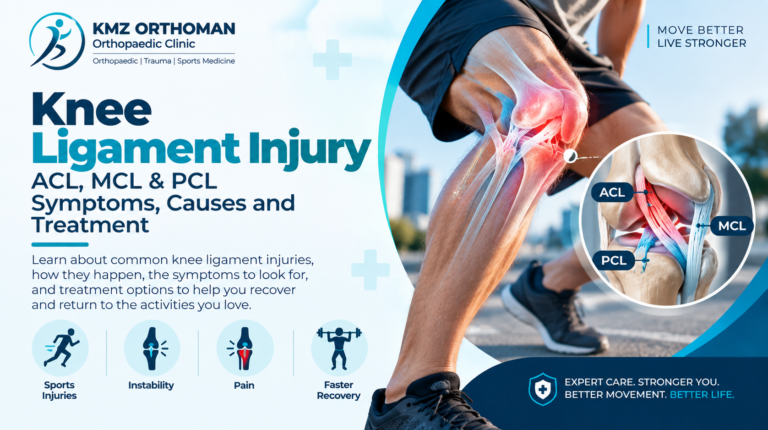
A knee that repeatedly feels unstable, catches or locks should be assessed. These symptoms can occur with different knee injuries, including ligament or meniscus problems.
Being able to walk does not explain which structure is injured. A knee that becomes locked or cannot support your weight needs prompt medical attention. 6, 7
6. A Sports Injury Is Not Improving
If pain or swelling continues after an injury, or returns whenever you resume the same activity, get advice before increasing your training.
A sports injury specialist can review the injury and recovery needs. Continuing an activity that causes injury-related pain may worsen the problem. 2
7. You Notice Persistent Weakness or Loss of Function
Difficulty lifting the arm, carrying familiar objects or using an injured limb normally can be worth checking. Shoulder tendon injuries, for example, may cause weakness as well as pain.
Weakness does not establish a diagnosis. Tell the doctor when it started and whether it followed an injury. New numbness or a cold, discoloured limb after injury requires urgent care. 4, 8
What Happens During an Orthopaedic Consultation?
The doctor reviews your symptoms, medical history and how the problem affects normal activities. Examination may include checking tenderness, movement, strength and stability.
Imaging is considered according to the findings. X-rays help assess bones, while MRI can provide detailed images of soft tissues. You do not need to arrange an MRI yourself before every consultation. 2, 9
Will You Need Surgery?
Not necessarily. Many musculoskeletal problems are treated without surgery. The specialist may discuss activity changes, physiotherapy, rehabilitation, medication or a brace when appropriate.
A surgical discussion depends on the diagnosis, symptoms, function and the benefits and risks of the available options. The aim of the consultation is to understand your condition and agree on suitable care. 1
How to Prepare for Your Appointment
Bring previous imaging and reports, details of earlier treatment, a list of medicines and allergies, and any questions you want to ask.
Describe when the symptoms began and which activities make them better or worse. Check with the clinic and insurer if a referral letter or insurance documents are required.
Orthopaedic Assessment in Kuala Lumpur
Dr Kamarulzaman at KMZ Orthoman provides assessment for joint pain, sports injuries and other bone and movement-related concerns.
The Kuala Lumpur clinic is located at Hospital Pakar Pusrawi, Lot 149, Jalan Tun Razak, Titiwangsa, Kuala Lumpur. A consultation allows the doctor to review your symptoms and discuss the appropriate next step.
For persistent symptoms that do not require emergency care, book an orthopaedic appointment before visiting.
Frequently Asked Questions
When should I see an orthopaedic specialist?
Should I see a GP or an orthopaedic specialist first?
A GP can assess many joint and injury problems, start treatment and refer you when needed. The appropriate route depends on your symptoms, previous treatment and any clinic or insurance requirements. 2
Can I see an orthopaedic specialist without having surgery?
Yes. Orthopaedic care includes non-surgical treatment as well as surgery. A consultation is an opportunity to discuss the diagnosis and options rather than a commitment to an operation. 1
Do I need an MRI before my appointment?
Which symptoms need urgent care instead of a routine booking?
Where can I book an orthopaedic appointment in Kuala Lumpur?
You can contact KMZ Orthoman to arrange a consultation with Dr Kamarulzaman at Hospital Pakar Pusrawi, Jalan Tun Razak, Titiwangsa. Confirm your appointment before visiting.
Ask a Question or Leave a Comment
Share your feedback or ask a general question about this article.
No comments yet. Be the first to share your feedback or ask a question.