kmzorthoman@gmail.com

Move Better With Expert Care

KMZ Orthoman Sports Injury Care

Sports Injury Consultation in Kuala Lumpur

Get professional assessment and treatment guidance for sports-related injuries, joint pain and movement concerns with an orthopaedic specialist.

Orthopaedic Assessment Patient-Friendly Guidance Convenient Appointment Booking

Sports Injury Consultation

Focused Care for a Safer Recovery

Sports injuries can affect movement, physical performance and everyday activities. A proper orthopaedic assessment helps identify the possible cause of your symptoms and provides clear guidance for your next steps.

Clinical Assessment

Your symptoms, movement and injury history are reviewed carefully to understand the affected area and identify possible concerns.

Diagnosis Guidance

Imaging or additional investigations may be recommended when required to support an accurate and suitable treatment approach.

Recovery Planning

You receive practical guidance based on your condition, activity level and recovery needs to support a safer return to movement.

Early Assessment Can Support a Safer Recovery

Seeking professional advice when symptoms continue may help reduce the risk of further strain and support a more suitable recovery plan.

When to Seek Medical Advice

When Should You Consult an Orthopaedic Specialist?

Some sports injuries improve with rest, but persistent or worsening symptoms may require professional assessment. Early attention can help identify the concern and reduce the risk of further strain.

01

Persistent Pain

Pain continues after rest or repeatedly returns during sports activity, exercise or normal daily movement.

02

Swelling or Bruising

Noticeable swelling, bruising or tenderness develops around the affected joint, muscle or injured area.

03

Difficulty Walking or Moving

Walking, running, climbing stairs or moving the affected joint becomes difficult or uncomfortable.

04

Joint Instability or Weakness

The joint feels weak, unstable or unreliable during movement, especially when carrying weight.

05

Reduced Range of Motion

Stiffness or pain limits your ability to bend, straighten or comfortably move the affected area.

06

Symptoms Are Not Improving

Pain does not gradually improve despite rest, reduced activity or basic home-care measures.

Seek urgent medical attention when required

Severe pain after an injury, obvious deformity, numbness, sudden weakness or an inability to bear weight may require prompt medical attention.

Sports Injury Education

Why Do Sports Injuries Happen?

Sports injuries may occur during exercise, training or physical activity. Understanding common contributing factors can help you recognise when your body may need proper rest, recovery guidance or an orthopaedic assessment.

  • 1 Sudden Impact or Awkward Movement
  • 2 Overuse and Repetitive Strain
  • 3 Limited Warm-Up or Poor Technique
  • 4 Muscle Weakness or Imbalance
  • 5 Inadequate Rest and Recovery
  • 6 Previous Injury or Joint Instability

Recovery Should Not Be Rushed

Persistent pain, swelling or reduced movement may be a sign that professional assessment is required before returning to sports activity.

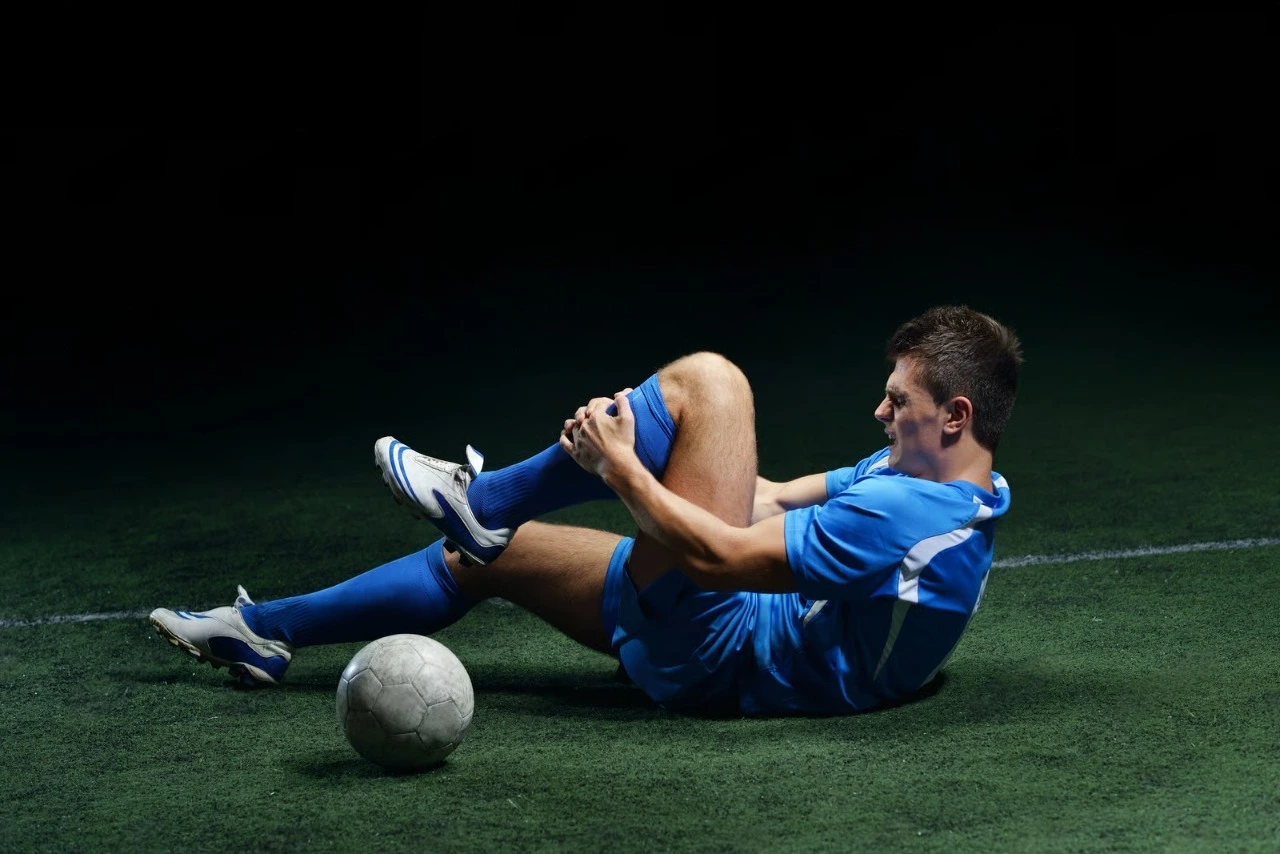
Football player with knee pain after a sports injury

Common Sports Injuries

Sports Injuries We Assess and Manage

Sports injuries can affect joints, muscles and soft tissues. A proper assessment helps identify the affected area and determine the suitable next steps for your recovery.

01
Knee Care

Knee Ligament Injuries

Assessment for ACL, PCL and other ligament-related concerns that may affect knee stability and movement.

02
Knee Care

Meniscus Injuries

Evaluation for knee pain, swelling or restricted movement that may be associated with a meniscus-related concern.

03
Shoulder Care

Shoulder Sprains

Assessment for pain, weakness or reduced shoulder movement after sports activity, overuse or sudden impact.

04
Ankle Care

Ankle Injuries

Assessment for ankle pain, swelling or instability after twisting, impact or repetitive physical activity.

05
Muscle Care

Muscle Strains

Evaluation for muscle pain, tenderness or weakness caused by overstretching, sudden movement or overuse.

06
Recovery Care

Overuse Injuries

Assessment for symptoms that develop gradually due to repeated movement, training load or limited recovery time.

Need Professional Advice?

Experiencing pain after exercise or sports activity?

Book an orthopaedic consultation to discuss your symptoms and the suitable next steps for your recovery.

Book a Consultation

Sports Injury Assessment

What to Expect During Your Sports Injury Assessment

A sports injury assessment helps review your symptoms, movement concerns and injury history. This can provide a clearer understanding of the affected area and the suitable next steps for recovery.

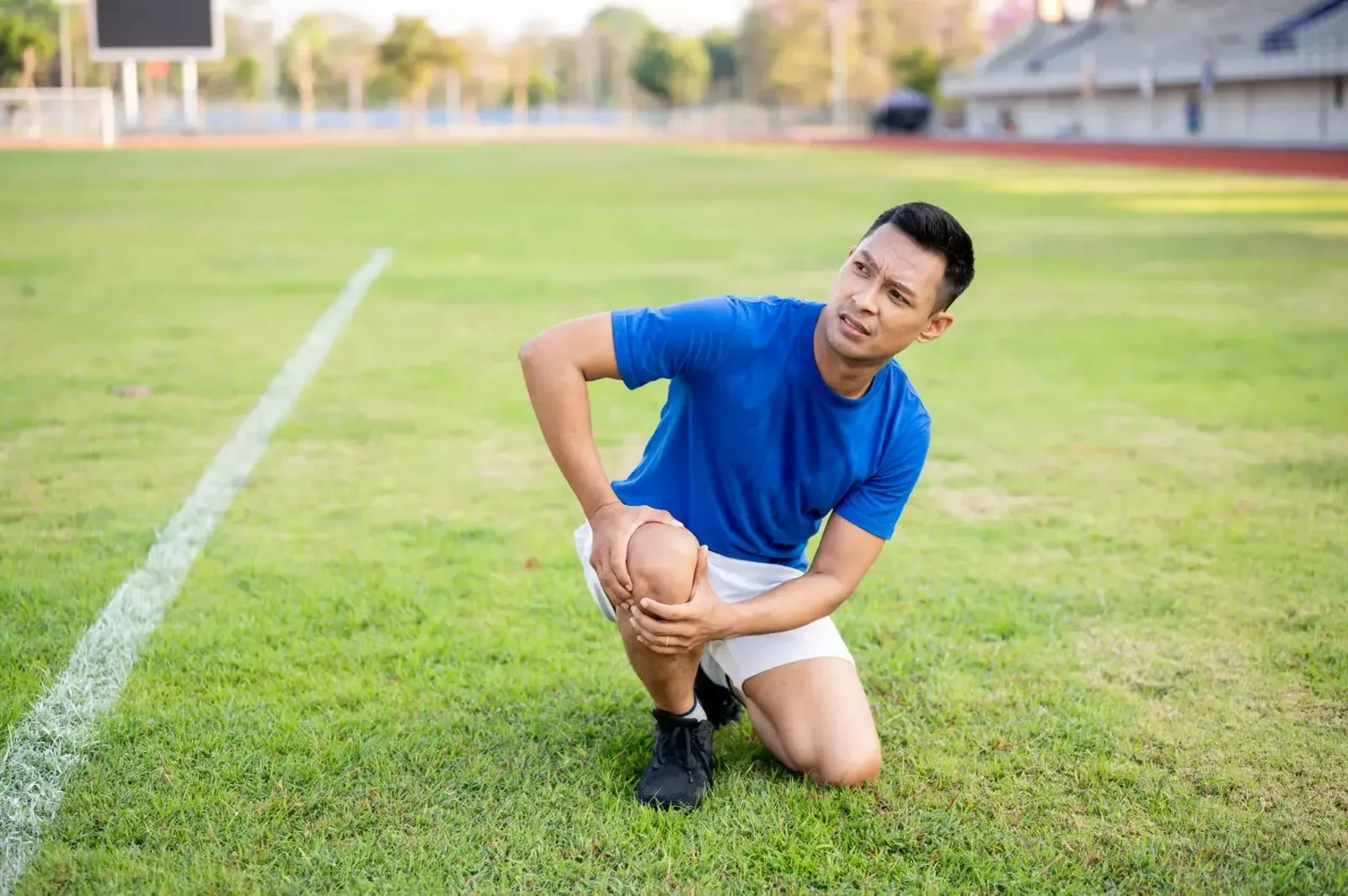
Athlete holding his knee after a sports injury on a field
Patient-Focused Evaluation

Understand Your Injury Before Returning to Activity

A proper assessment can help determine suitable next steps for a safer recovery.

Simple Assessment Process

A Clear Path From Symptoms to Recovery Guidance

The assessment approach may vary depending on your symptoms, activity level and the affected area.

Consultation 01

Discuss Your Symptoms

Explain when the pain started, which movements affect it and how the symptoms impact your normal activity.

Evaluation 02

Review Movement and Stability

Movement, flexibility and joint stability may be reviewed to understand the affected area.

Investigation 03

Imaging When Required

Imaging or further investigations may be recommended when needed for a clearer assessment.

Next Steps 04

Receive Recovery Guidance

Suitable next steps are discussed based on your symptoms, recovery needs and activity goals.

Bring previous medical documents when available

Previous scan reports, imaging results or medical notes may be helpful during your sports injury assessment.

Patient-Focused Orthopaedic Care

Why Choose KMZ?

Receive clear orthopaedic guidance based on your symptoms, assessment findings and individual recovery needs.

Patient-Focused Care

Our orthopaedic clinic provides care plans based on each patient’s condition and individual needs.

Clear Treatment Guidance

The orthopaedic doctor explains your condition and suitable treatment options in simple words.

Specialist Consultation

Consult an orthopaedic specialist for joint, muscle, fracture and sports injury-related concerns.

Treatment Options

Explore non-surgical care and orthopaedic surgery options when recommended after a careful assessment.

Patient Feedback

What Patients Say About KMZ Orthoman

Read feedback shared by patients on Google about their experience with KMZ Orthoman and orthopaedic care.

Google Reviews
Real Patient Experiences

Feedback shared through Google reviews.

Reviews help patients make an informed decision

Experiences may vary from patient to patient. A consultation is required to discuss your individual symptoms and suitable next steps.

Frequently Asked Questions

Common Questions About Sports Injury Consultation

Find practical answers to common questions about sports injuries, assessments, imaging and recovery guidance.

When should I consult an orthopaedic specialist for a sports injury?

Consider an orthopaedic consultation if pain, swelling, weakness or restricted movement continues after rest, repeatedly returns during activity or starts affecting your daily routine. Seek prompt medical attention for severe pain, visible deformity, numbness or an inability to bear weight after an injury.

What types of sports injuries can be assessed?

A sports injury consultation may help assess concerns involving joints, muscles, ligaments and soft tissues. These may include knee ligament injuries, meniscus concerns, shoulder sprains, ankle injuries, muscle strains and symptoms caused by repetitive activity or overuse.

Do I need an X-ray, MRI or other imaging for a sports injury?

Not every sports injury requires imaging. The suitable next step depends on your symptoms, injury history and clinical assessment. Imaging or further investigations may be recommended when required to better understand the affected area.

Does every sports injury require surgery?

No. Many sports injuries may be managed without surgery, depending on the type and severity of the injury. Suitable options can be discussed after an assessment. Surgery may be considered when clinically required.

Should I continue training if I have pain during sports activity?

Continuing an activity that repeatedly causes pain may place further strain on the affected area. Reduce or stop the activity and seek professional advice if pain persists, worsens or limits your normal movement.

What should I bring to my sports injury consultation?

Bring any previous medical notes, scan reports, imaging results or relevant documents when available. It is also helpful to explain when your symptoms started, which movements affect them and whether the injury has limited your daily routine or physical activity.

How can I book a sports injury consultation with Dr. KMZ?

You can book an appointment online or contact KMZ Orthoman through WhatsApp, phone or email. Share a brief description of your concern so the clinic team can guide you more effectively.

Every sports injury is different

The suitable assessment and next steps depend on your symptoms, the affected area and the severity of the injury.

Translate »