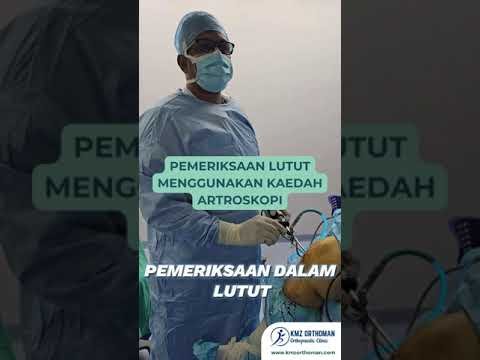
Small Incisions
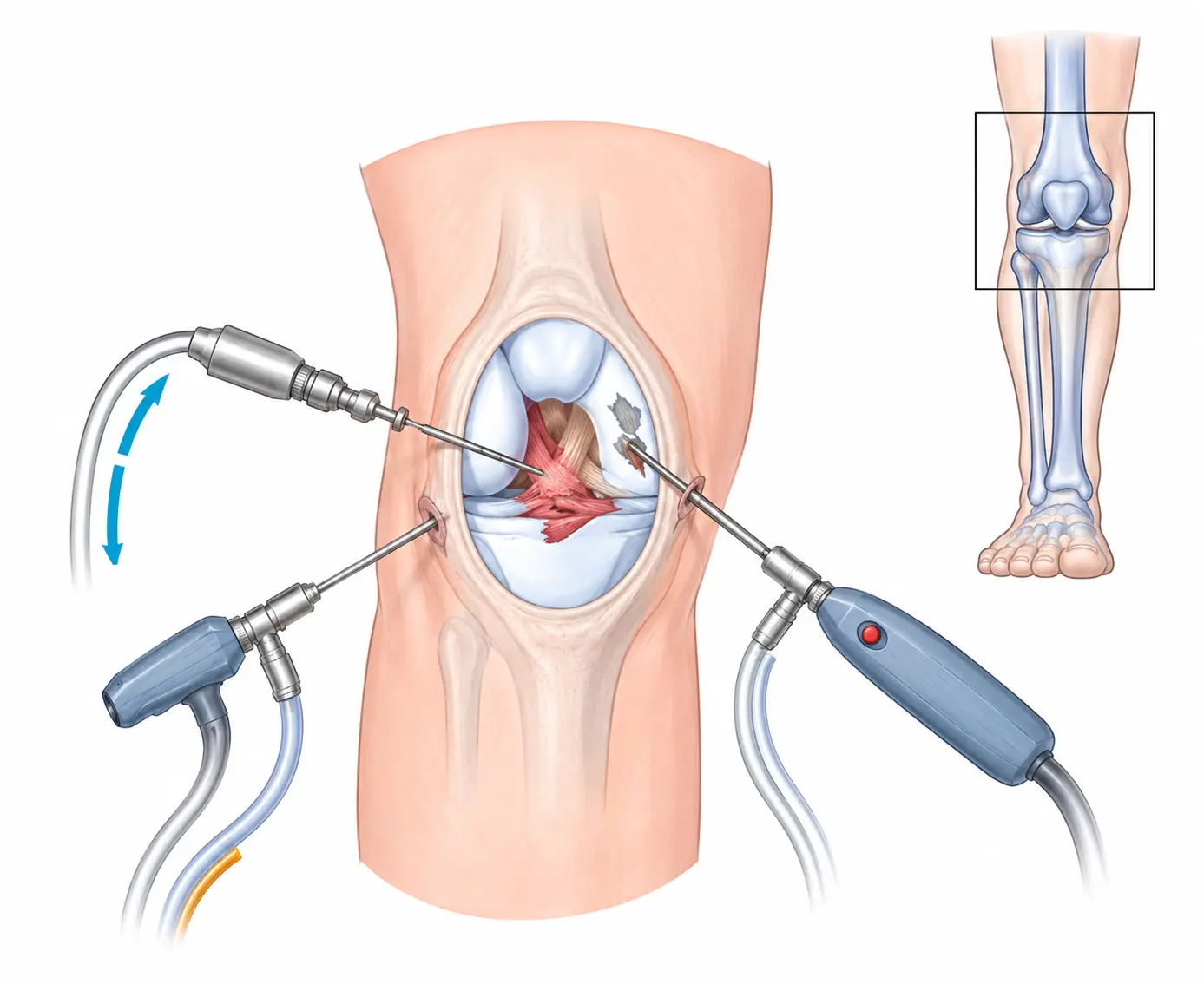
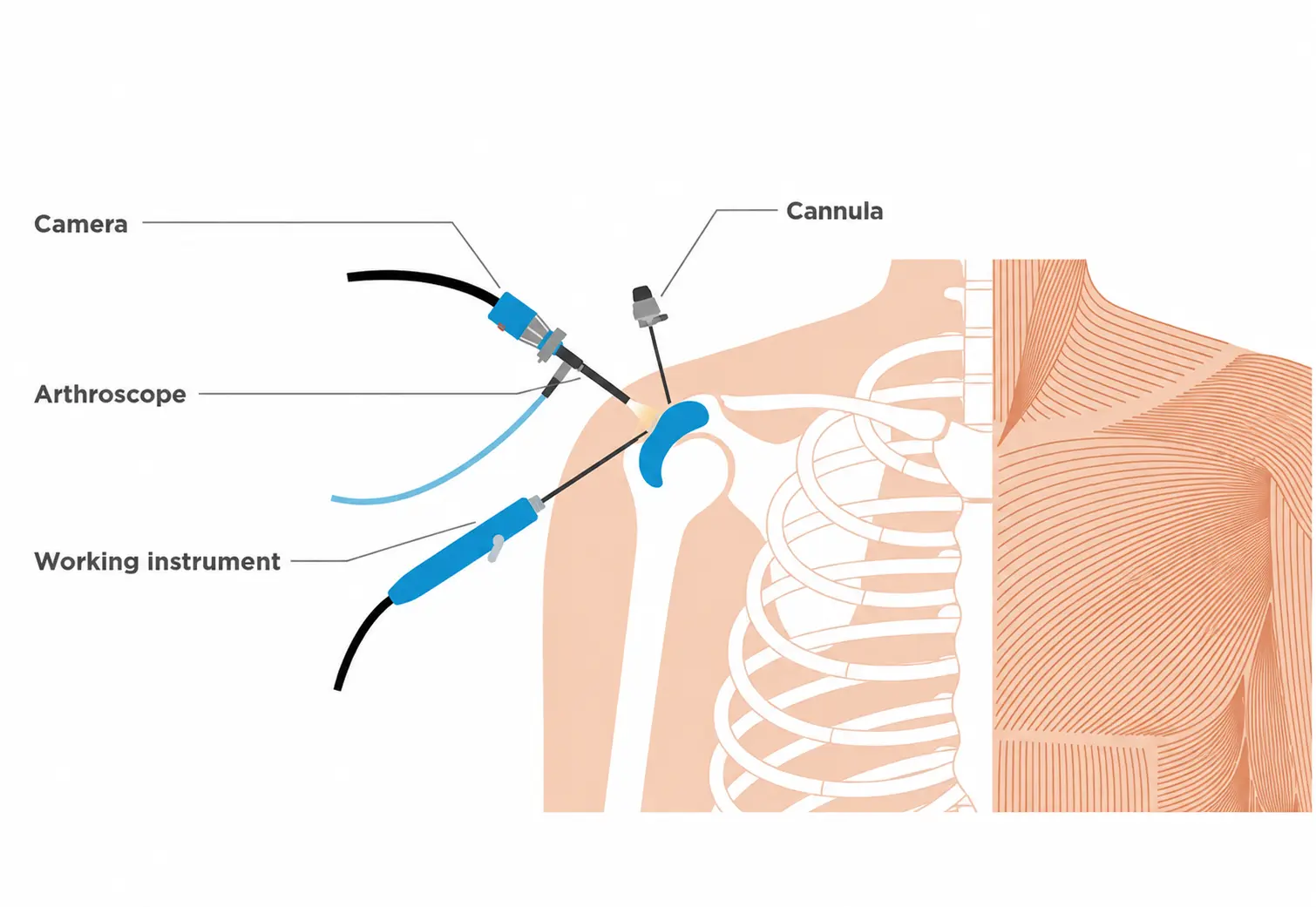
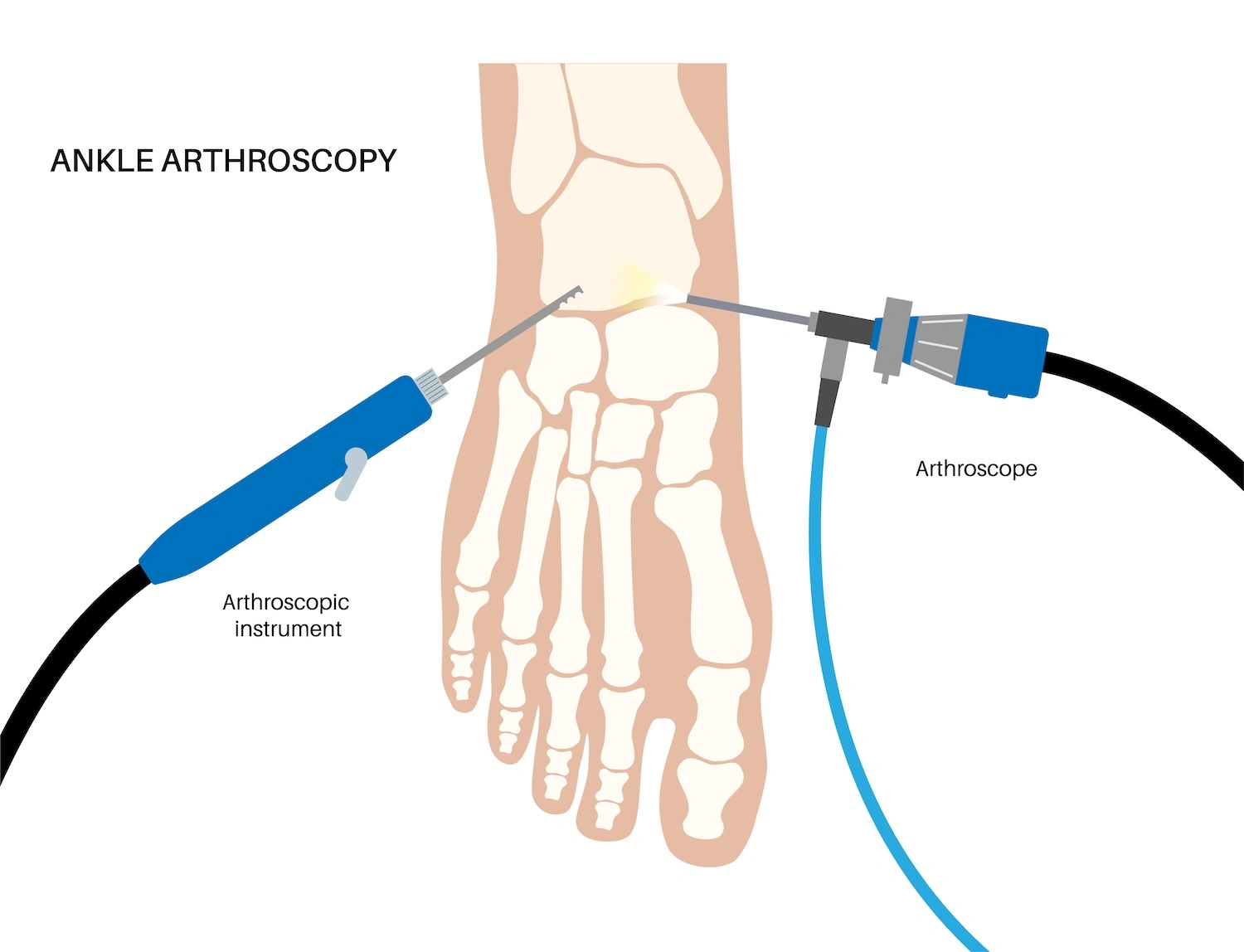
Arthroscopic procedures are performed through small keyhole incisions around the affected joint.
KMZ Orthoman Minimally Invasive Care
Get orthopaedic assessment and treatment guidance for selected knee and joint conditions where minimally invasive surgery may be suitable. Dr KMZ provides evaluation for meniscus tears, cartilage damage, knee arthroscopy and associated sports-related joint concerns based on symptoms, clinical examination and investigation findings when required.
Understanding the Procedure
Minimally invasive surgery is a surgical approach performed through smaller incisions instead of one large open incision. In orthopaedic care, arthroscopy is a commonly used minimally invasive technique for examining and treating selected conditions inside a joint.
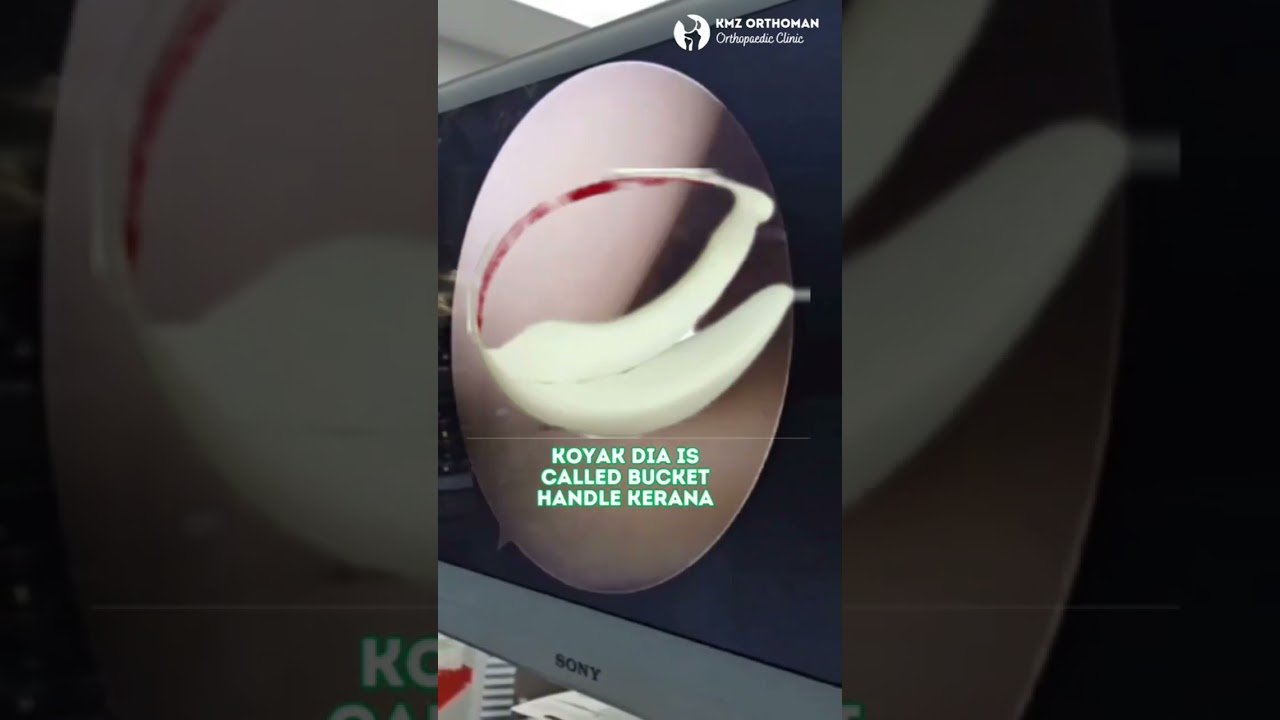
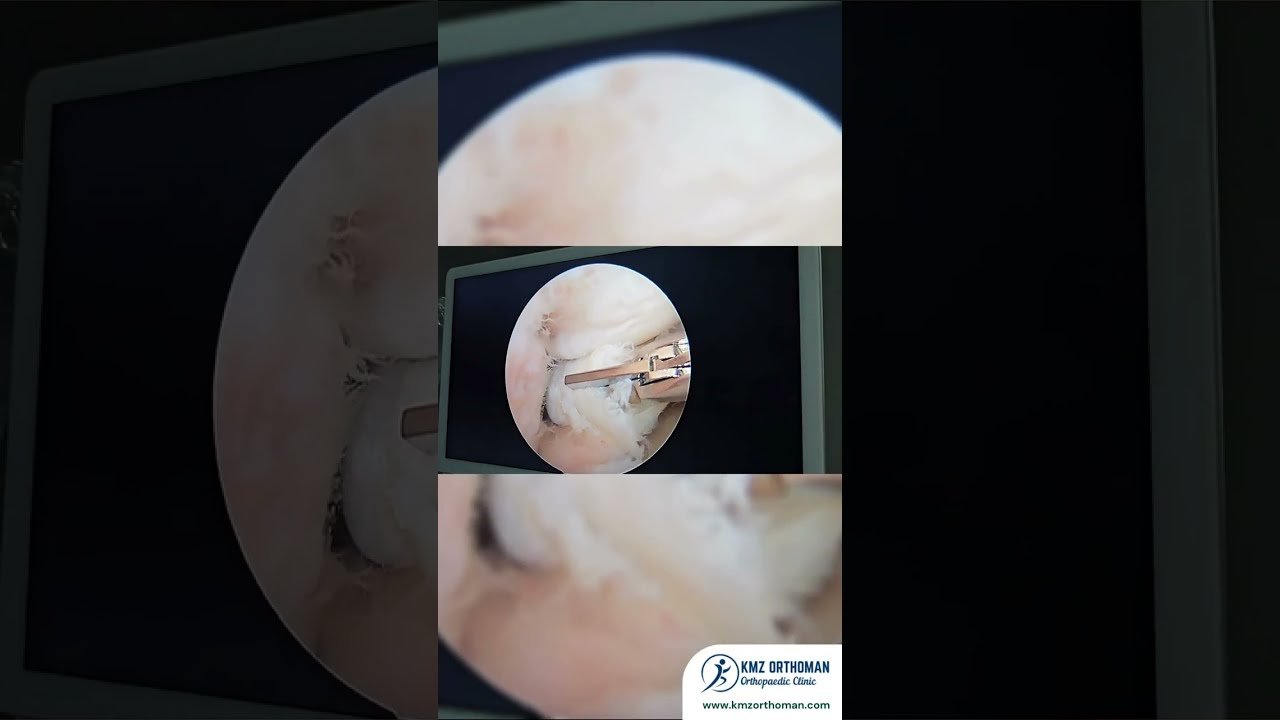
A small camera called an arthroscope provides a clear view of the joint on a monitor. Specialised instruments may then be introduced through additional small incisions to treat conditions such as meniscus tears, cartilage damage and selected knee-related injuries.
Arthroscopic procedures are performed through small keyhole incisions around the affected joint.
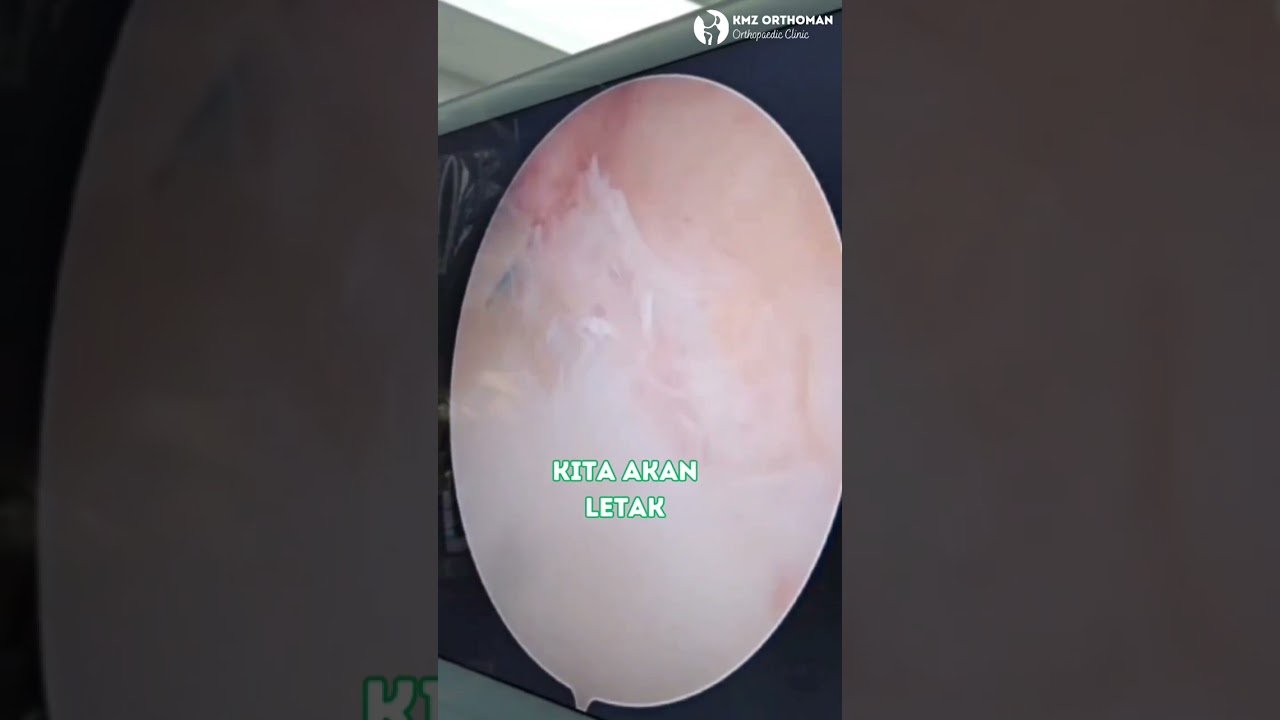
The arthroscope allows the surgeon to examine structures inside the knee or joint on a monitor.
Selected meniscus, cartilage or joint problems may be treated using narrow surgical instruments.
Knee and Joint Conditions
Minimally invasive orthopaedic surgery may be considered for selected knee and joint conditions. The recommended treatment depends on the patient’s symptoms, clinical examination and imaging findings.
Arthroscopy may be used to assess and treat selected meniscus tears that cause ongoing pain, swelling, catching or locking in the knee.
01Selected cartilage injuries may be examined through knee arthroscopy to determine the condition and appropriate treatment.
02Arthroscopic assessment may form part of the treatment plan for selected ligament-related knee injuries and associated joint damage.
03Small loose cartilage or bone fragments inside the knee may cause pain, catching or restricted joint movement.
04Meniscus and cartilage procedures are commonly performed using minimally invasive knee arthroscopy. Depending on the type, location and severity of the injury, treatment may involve repairing, trimming or managing the affected tissue through small keyhole incisions.
Signs to Look Out For
Knee and joint symptoms can develop after an injury or gradually over time. An orthopaedic assessment may help identify the cause and determine whether conservative treatment, further imaging or another treatment approach should be considered.
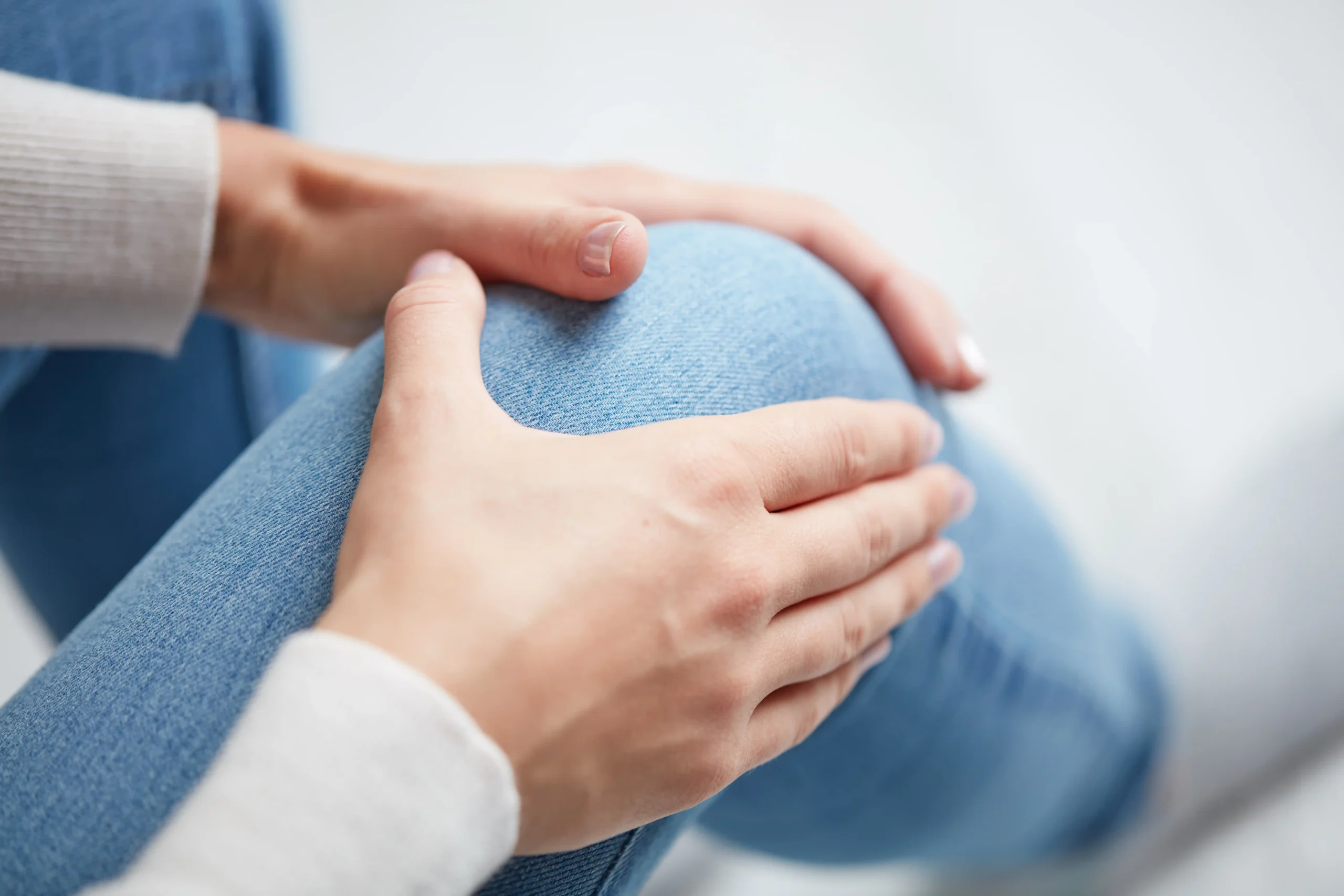
Knee or joint pain that continues or regularly returns.
Repeated or ongoing swelling around the affected joint.
Catching, clicking or locking during knee movement.
A feeling that the knee may give way during activity.
Difficulty fully bending or straightening the affected knee.
Pain when walking, climbing stairs, exercising or playing sport.
Early assessment may help clarify the cause. The recommended treatment depends on the patient’s symptoms, clinical examination and imaging findings when required.
What to Expect
The assessment process helps identify the cause of your knee or joint symptoms and determine the most suitable treatment approach based on your condition, examination and investigation findings.
Dr KMZ will discuss your pain, injury history, swelling, locking, instability and how the symptoms affect your daily activities.
The knee or affected joint may be examined for movement, swelling, tenderness, stability, strength and overall joint function.
Depending on the suspected condition, an X-ray, MRI or another investigation may be recommended to assess the joint structures.
Treatment options may include medication, physiotherapy, activity modification, injection treatment or surgery when appropriate.
Surgery is not always required. Treatment is recommended according to the patient’s symptoms, clinical examination, activity requirements and imaging findings when needed.
Patient Education Videos
These educational videos will help patients understand knee arthroscopy, meniscus and cartilage procedures, and what may be involved during assessment, treatment and recovery.
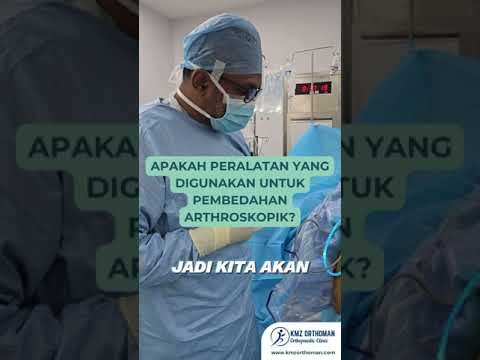
A general explanation of how knee arthroscopy is performed through small incisions using a camera and specialised instruments.
Educational information about selected meniscus procedures.
Educational information about cartilage damage and treatment.
Educational information only: These videos provide general information and do not replace an individual consultation, physical examination or personalised treatment recommendation.
Patient-Focused Orthopaedic Care
Dr KMZ provides orthopaedic assessment and treatment guidance for selected knee and joint conditions where minimally invasive surgery or knee arthroscopy may be considered.
Symptoms, injury history, swelling, movement and joint function are reviewed carefully before suitable treatment is discussed.
Selected meniscus, cartilage and knee conditions are assessed to determine whether arthroscopic treatment may be appropriate.
Consult an orthopaedic specialist for meniscus tears, cartilage damage and associated knee or joint concerns.
Non-surgical care, rehabilitation or minimally invasive surgery may be discussed according to examination and imaging findings.
Patient Feedback
Read feedback shared by patients on Google about their experience with KMZ Orthoman and orthopaedic care.
Feedback shared through Google reviews.
Posted on Google Norainidah JayusJuly 8, 2026Trustindex verifies that the original source of the review is Google. Saya sangat berpuashati dengan perkhidmatan Dr KMZ, Doktor pakar Orthopediks sepanjang Saya menerima rawatan patah tulang di hospital PUSRAWI. Sekarang tulang Saya dah bercantum semula. Alhamdulillah. Terima kasih Dr KMZ 👍Posted on Google Ali AbdJuly 5, 2026Trustindex verifies that the original source of the review is Google. Alhamdulillah. My wife underwent surgery for a slipped disc. Before the operation, the doctor explained the procedure in detail, including the risks and the benefits. Now, three months after the surgery, her condition has improved significantly. There have been many positive changes compared to before the operation, and we are truly grateful for her recovery. I highly recommend anyone who needs advice or has questions about slipped disc treatment or surgery to reach out with Dr KMZPosted on Google Muhamed Azhar Abdul Alim SidiqueJune 23, 2026Trustindex verifies that the original source of the review is Google. We had the pleasure of consulting Dr. KMZ yesterday, and the experience was exceptional from start to finish. Dr. KMZ was professional, knowledgeable, and took the time to listen carefully to our concerns. He explained the diagnosis and treatment options clearly and patiently, ensuring that we fully understood the condition and the next steps. We left feeling confident that we were in capable hands. Thank you, Dr. KMZ, for the excellent care and outstanding consultation. Highly recommended to anyone seeking an orthopedic specialist.Posted on Google isyahnaz 5June 11, 2026Trustindex verifies that the original source of the review is Google. 2 ank sy refer dgn Dr KMZ. Servis terbaik mantap dr klinik nie.. smoga lebih ramai refer dgn Dr nie sbb terbaek👍🏻👍🏻👍🏻👍🏻👍🏻Posted on Google Nur Hidayah harisanJune 11, 2026Trustindex verifies that the original source of the review is Google. Thank you, Dr. Kamarulzaman & Puan Sazlina. All went well from start to finish. The doctor and the nurse were both wonderful and very professional.Posted on Google ConradJune 9, 2026Trustindex verifies that the original source of the review is Google. Fantastic doctorPosted on Google NORHAYATI BINTI MUHAMAT (MAIWP)May 25, 2026Trustindex verifies that the original source of the review is Google. DR KAMARULZAMAN AMAT PROFESIONAL DALAM MELAYAN PESAKIT DAN MELAYAN TUGAS,MESRA PESAKIT DAN MENERANGKAN KESIHATAN DENGAN JELAS SERTA MUDAH DIFAHAMI
Experiences may vary from patient to patient. A consultation is required to discuss your individual symptoms and suitable next steps.
This page has been reviewed by Dr. Kamarulzaman for clarity and patient education. The information is general in nature and does not replace a personal consultation, diagnosis or treatment plan. Treatment decisions should be made after proper clinical assessment.
Frequently Asked Questions
Find helpful answers about knee arthroscopy, meniscus and cartilage treatment, suitability, imaging, recovery, risks and treatment costs in Kuala Lumpur.
Minimally invasive knee surgery is performed through small incisions rather than one large open incision. A small camera and specialised instruments may be used to examine and treat selected structures inside the knee joint.
Knee arthroscopy is a commonly used type of minimally invasive orthopaedic surgery. An arthroscope provides a view inside the knee on a monitor while narrow instruments may be introduced through additional small incisions when treatment is required.
Arthroscopy may be considered for selected meniscus tears, cartilage damage, loose cartilage or bone fragments, joint lining problems and certain ligament-related injuries. The appropriate procedure depends on the diagnosis and examination findings.
Suitability is determined after reviewing your symptoms, injury history, physical examination and imaging findings when needed. The doctor will also consider your activity level, general health and whether non-surgical treatment has been appropriate.
No. Some meniscus and cartilage conditions may be managed with activity modification, medication, physiotherapy, rehabilitation or monitoring. Surgery may be discussed when symptoms continue, joint function is affected or the injury is considered suitable for an operative procedure.
Imaging is not identical for every patient. An X-ray may help assess bones, alignment or arthritis, while an MRI may be recommended to examine the meniscus, cartilage, ligaments and other soft tissues. The doctor will decide which investigation is appropriate after assessment.
Many knee arthroscopy procedures are performed as day surgery, allowing the patient to return home after observation and recovery from the anaesthetic. The actual arrangement depends on the procedure, the patient's health and the hospital team's recommendation.
Recovery varies according to the condition treated and whether tissue was repaired, trimmed or reconstructed. Some patients return to lighter daily activities relatively early, while meniscus repair or more complex procedures may require a longer rehabilitation period. Guidance about work, driving, exercise and sports will be provided according to your progress.
Possible risks include infection, bleeding inside the joint, blood clots, stiffness, ongoing symptoms, anaesthetic reactions and injury to nearby cartilage, nerves or blood vessels. The surgeon will explain the risks that apply to your procedure before consent is given.
The cost depends on the diagnosis, type of procedure, hospital charges, anaesthesia, imaging, surgical materials and rehabilitation requirements. An accurate estimate can normally be provided after consultation and treatment planning. Contact KMZ Orthoman for an assessment .
The suitable treatment depends on your symptoms, examination, imaging findings, general health and individual activity needs.